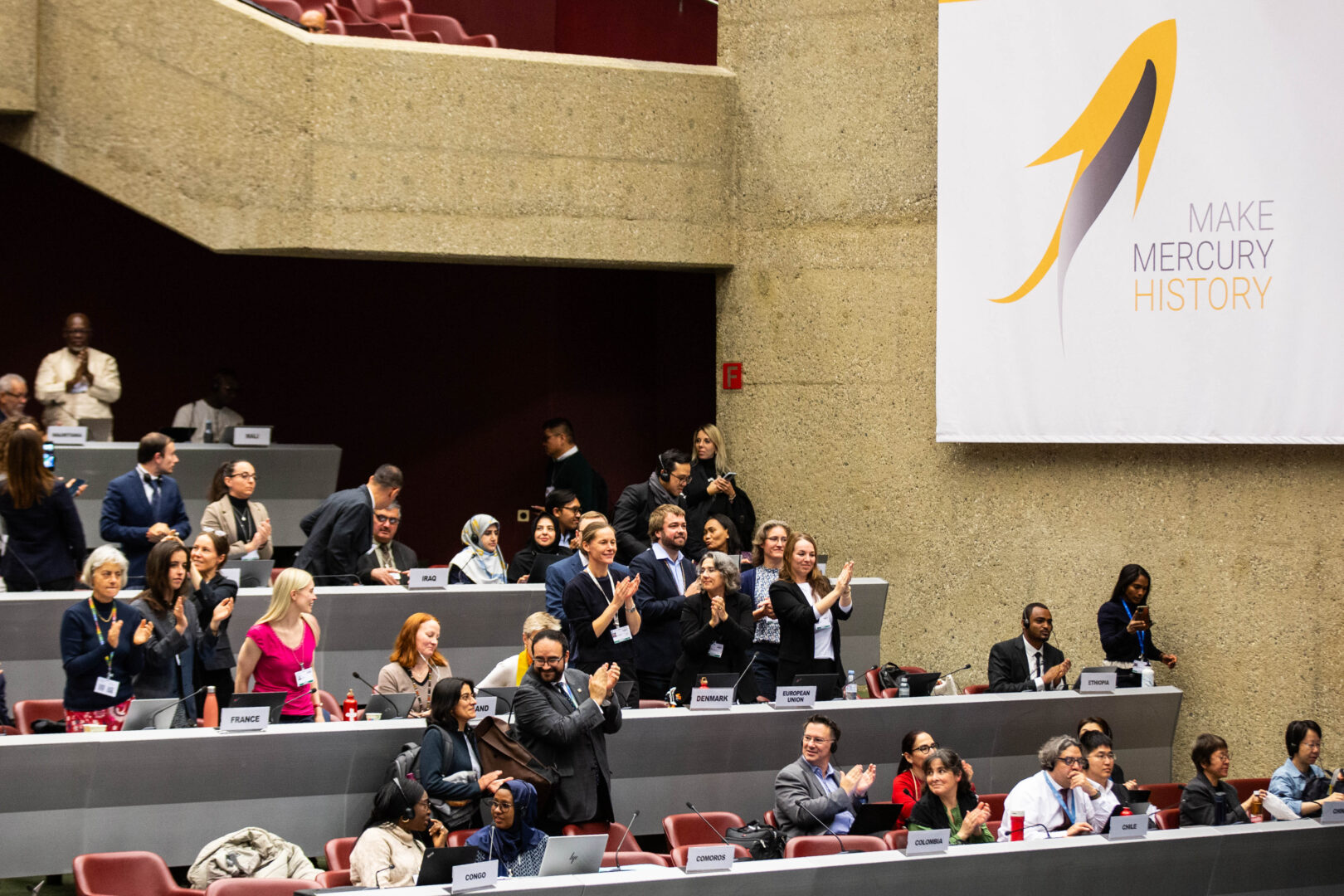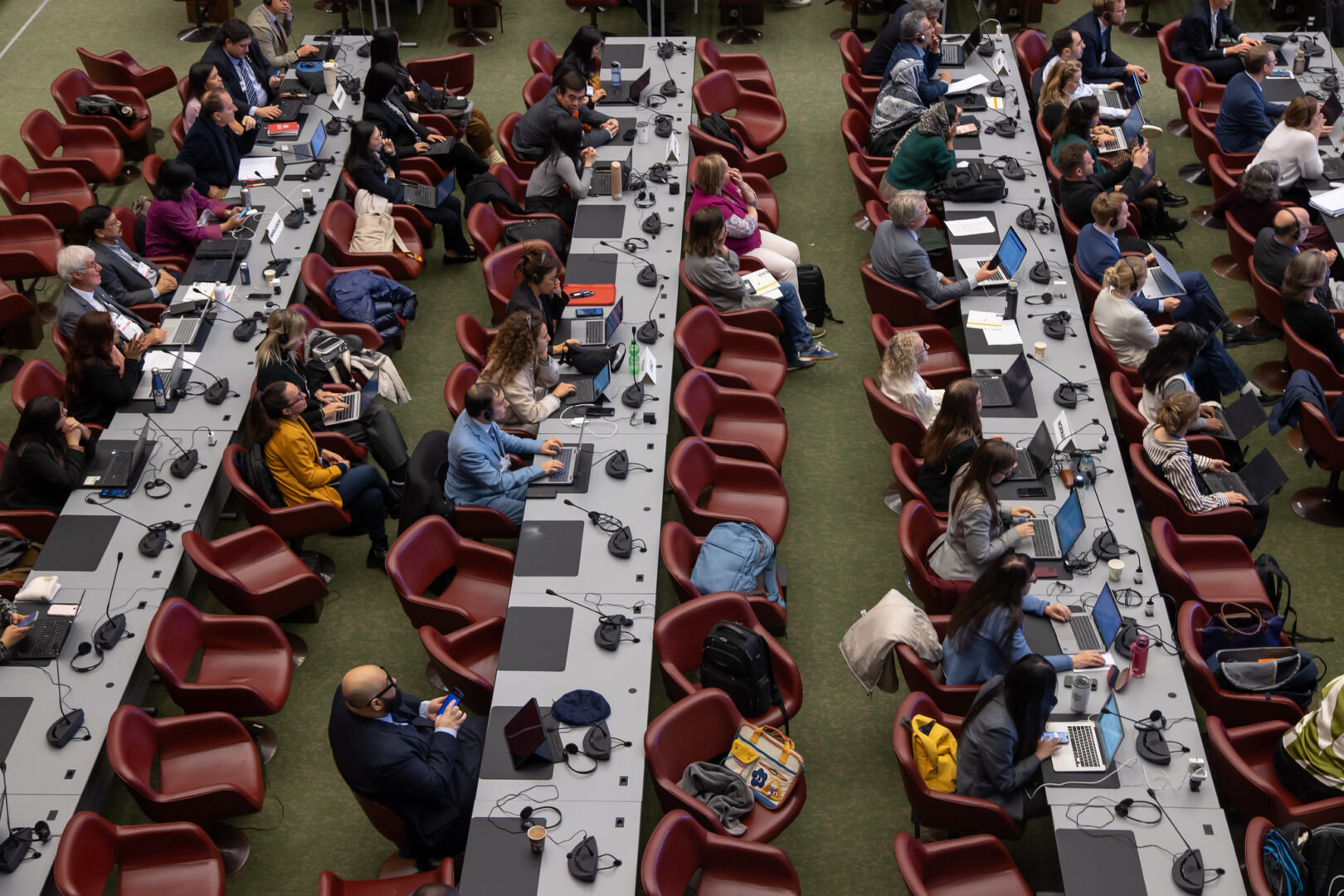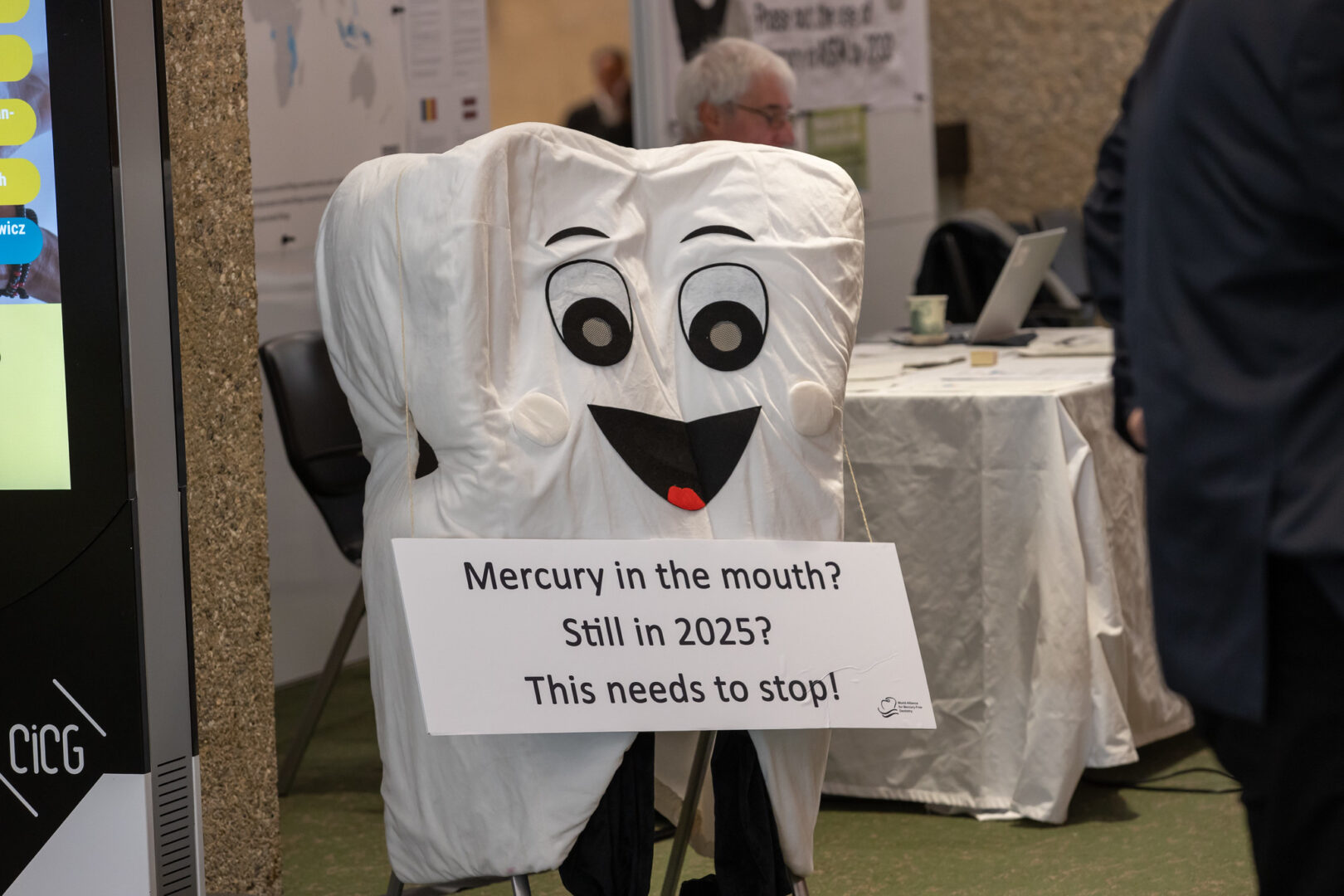

Friday, 7 November 2025. More than 150 countries, under the Minamata Convention on Mercury, have agreed to phase out dental amalgam by 2034 — a decision that will change dentistry around the world. This landmark step will lead to benefits for global health and environmental protection as WHO lists mercury as one of the top 10 chemical elements of major public health concern.
Dental amalgam is composed of 50% mercury and the average amount of a single filling can pollute more than 100.000 litres drinking water. Protective measures (like installing separators, restricting the use to capsules or installing filters in crematoria) only reduce the ultimate release of mercury from 100% to maybe 40%-60% – if best environmental practices are applied. A sustainable use of dental amalgam is not feasible. It further poses a direct health risk to patients, dentists and dental nurses.
The Minamata Convention already stipulated that signatories must take measures to phase down the use of dental amalgam. However, the African Region wanted a deadline, with a ban on their production, import and export, starting in 2030. After no agreement was reached at COP5 in 2023, negotiations were resumed at COP6, with the EU’s Phase out decision giving a new momentum.
Welcome support came from the US and Brazil, which still opposed the phase-out of amalgam in 2023, and from WHO, which submitted guidelines on the use of mercury-free alternatives just in time. Overall, more than 60 countries have already banned dental amalgam use, stopped its import, replaced it in public programs or declared its phase out demonstrating that mercury-free alternatives are cost effective, perform as well, and are available and used worldwide.
Only countries like India, Iran and the United Kingdom, opposed the suggested timeline, citing challenges in transitioning dental care systems. While India and Iran actually hold an exception to the convention that new amendments don’t apply directly, the UK asked for setting the deadline to 2034 which already applies to Northern Ireland in line with an EU agreement.
So, there was a compromise: The COP decided to phase out the manufacturing, import and export of dental amalgam by 1 January 2035, except for when its use is considered necessary by the dental practitioner based on the needs of the patient (these exceptions will be reviewed three years after entering into force). And, Parties that have not yet phased out dental amalgam shall (immediately) take measures, as appropriate, to not allow, or significantly phase down dental amalgam unless its use is considered necessary by the dental practitioner based on the needs of the patient.
It was further clarified that: Parties that have not yet phased out dental amalgam shall submit to the secretariat a national action plan or a report based on available information with respect to progress they have made or are making to phase down or phase out dental amalgam either together with their second full national report, due by 31 December 2025, or with their third short national report, due by 31 December 2027.
“We have just opened the door to another chapter of the mercury history book,” said the convention’s executive secretary, Monika Stankiewicz, “by understanding one another and bridging our differences, we can make a difference in the lives of people everywhere.”
The EU’s representative called it “an important milestone in making mercury history: a step that will bring lasting benefits for human health and the environment globally.”
Mexico, speaking for the Latin American and Caribbean countries, called it an “ambitious but realistic step towards a future free from mercury”.
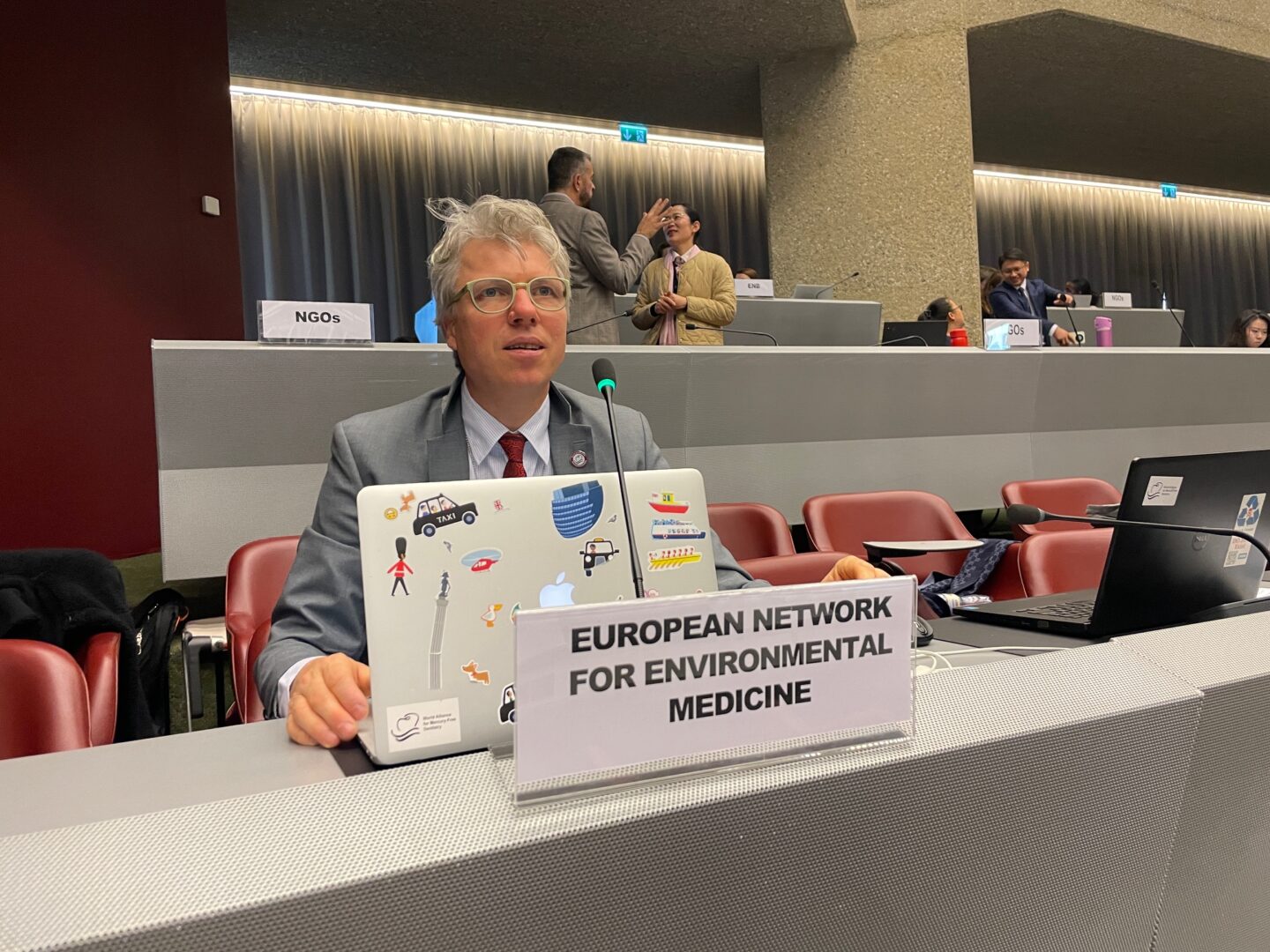
Florian Schulze, managing director of EnvMed, highlighted in his plenary statement that “after banning mercury-added medical devices, batteries, and lamps – it is time to stop placing mercury in the mouths. The phase out of dental amalgam is especially important for the ambitions to achieve Universal Oral Health coverage by 2030: No new public programs should be set up or extended covering dental amalgam. Countries should instead start working on replacing dental amalgam with alternatives.”
Now we start working on the implementation. Countries like Brazil already announced that they want to stick to the 2030 deadline to phase out dental amalgam.
Further Information:
👉 Press Release by the Secretariat of the Minamata Convention
👉 ZMWG and EnvMed Statement on Dental amalgam, 3 November 2025, Geneva, Switzerland
👉 Brazil will eliminate the use of dental amalgam by 2030
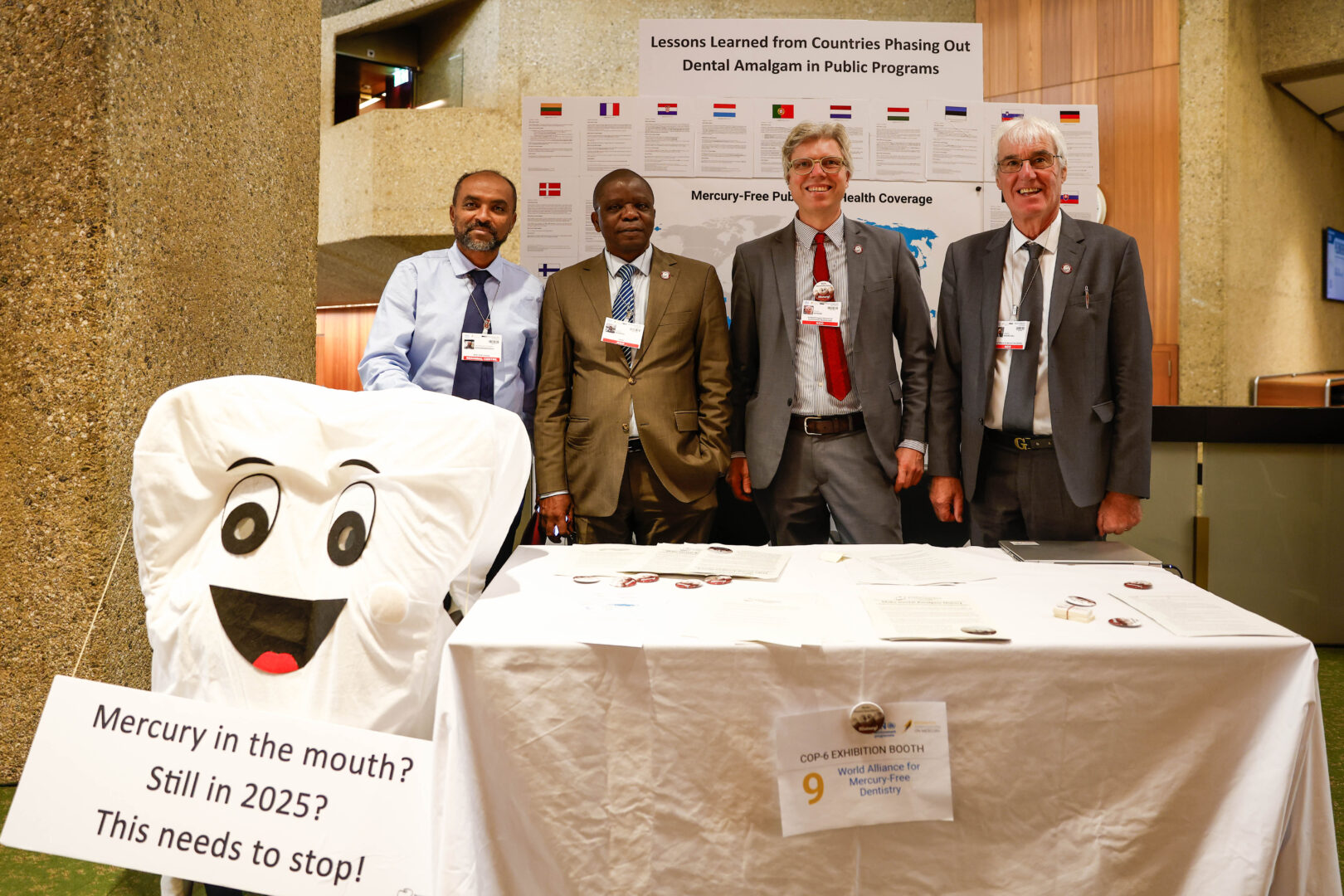
Lessons learned from countries phasing out dental amalgam in public programs
Pictures: